Topic: Thoughts
-

Memory Should Belong to People
A human-first note on Audia, local intelligence, and technology that remembers without extracting.
-

Without Memory, Institutions Repeat Harm
Documentation is not bureaucracy. Documentation is accountability.
-
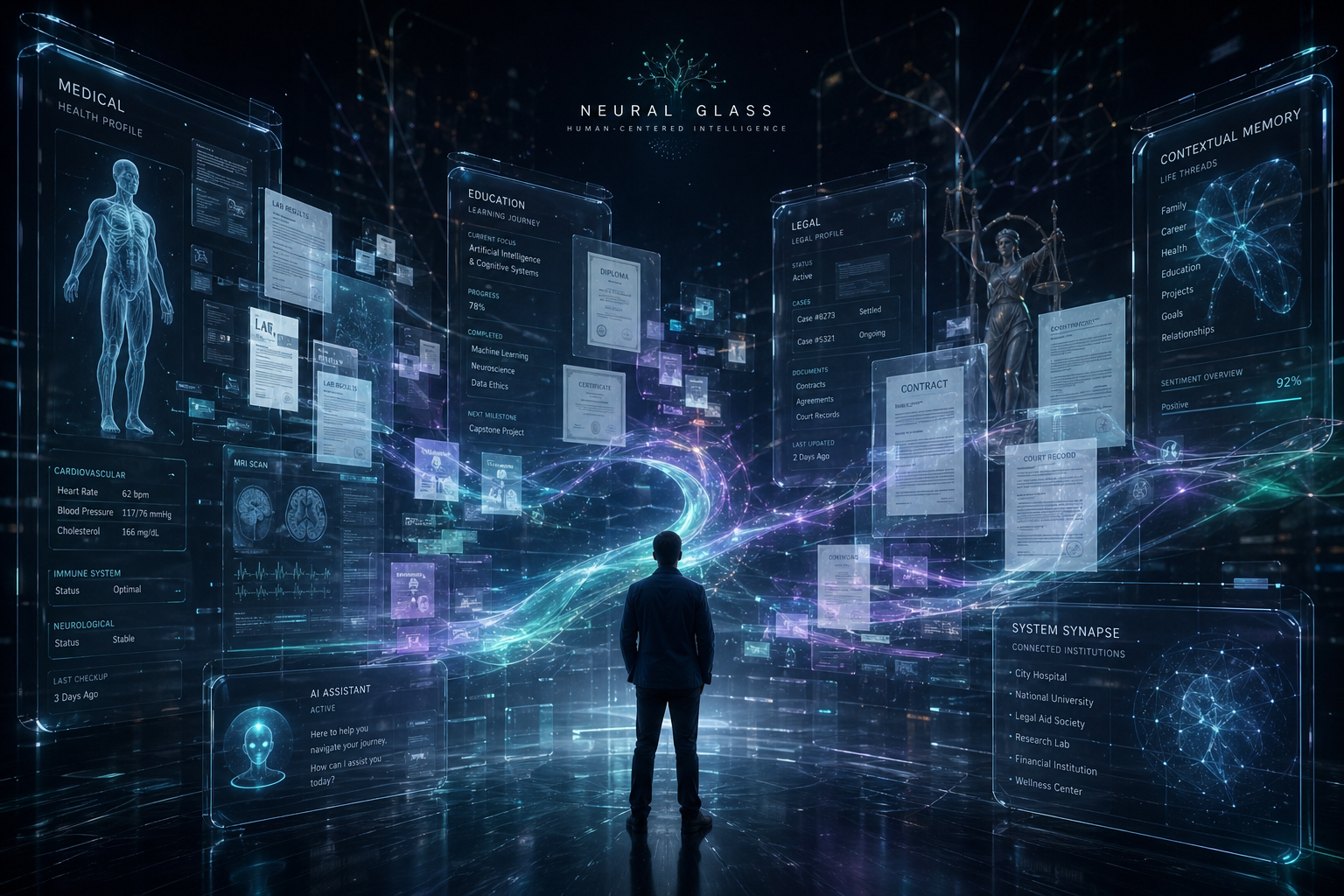
Why “One-Size-Fits-All” Infrastructure Is Breaking Down
We built systems optimized for efficiency. Not for human complexity. That mismatch is becoming impossible to ignore.
-

Capacity Isn’t Character — It’s Accounting
A quiet dismantling of the idea that struggle equals worth. Small accommodations—like sitting, pacing, or using tools—aren’t shortcuts. They’re systems of access. And access is not something you apologize for.
-

Support Isn’t Symbolic — It’s Functional
A quiet dismantling of the idea that struggle equals worth. Small accommodations—like sitting, pacing, or using tools—aren’t shortcuts. They’re systems of access. And access is not something you apologize for.
-

Making Life Work Isn’t a Shortcut — It’s the Point
A quiet dismantling of the idea that struggle equals worth. Small accommodations—like sitting, pacing, or using tools—aren’t shortcuts. They’re systems of access. And access is not something you apologize for.
-

Because Function Matters More Than Perception
A straightforward answer to a question people often overcomplicate: a service dog isn’t about optics—it’s about safety, access, and building a life that actually works.
-

How failures in education create workforce strain, skills gaps, and long-term institutional costs
When schools fail to prepare students effectively, the consequences do not stop at graduation. They ripple outward into the workforce, increasing training burdens, deepening skills gaps, and placing added strain on businesses, institutions, and communities. This piece examines how weaknesses in the education-to-workforce pipeline create larger systemic costs — and why better alignment across education,…
-

Build the System
Civil rights violations in education are rarely just isolated incidents. More often, they reflect deeper systemic failures — weak oversight, fragmented records, inconsistent enforcement, and institutions that make accountability difficult to trace. This piece explores how ecosystem mapping and digital infrastructure can help make those patterns visible, strengthen compliance, and support more meaningful educational equity.
-

Why accessibility checklists alone cannot build truly inclusive educational systems
Compliance may satisfy policy, but it does not automatically create belonging, access, or equity. True disability inclusion requires schools to move past minimum legal standards and begin investing in system design, assistive infrastructure, educator support, and operational accountability. This piece explores what schools often overlook—and what meaningful inclusion actually demands.
-

Why lived experience belongs at the center of policy design
Advocacy is what connects policy to the people it affects. When lived experience is taken seriously, institutions can move beyond abstract frameworks and build systems that are more responsive, transparent, and grounded in real-world needs. This piece explores how advocacy helps translate community insight into practical, measurable change.
-
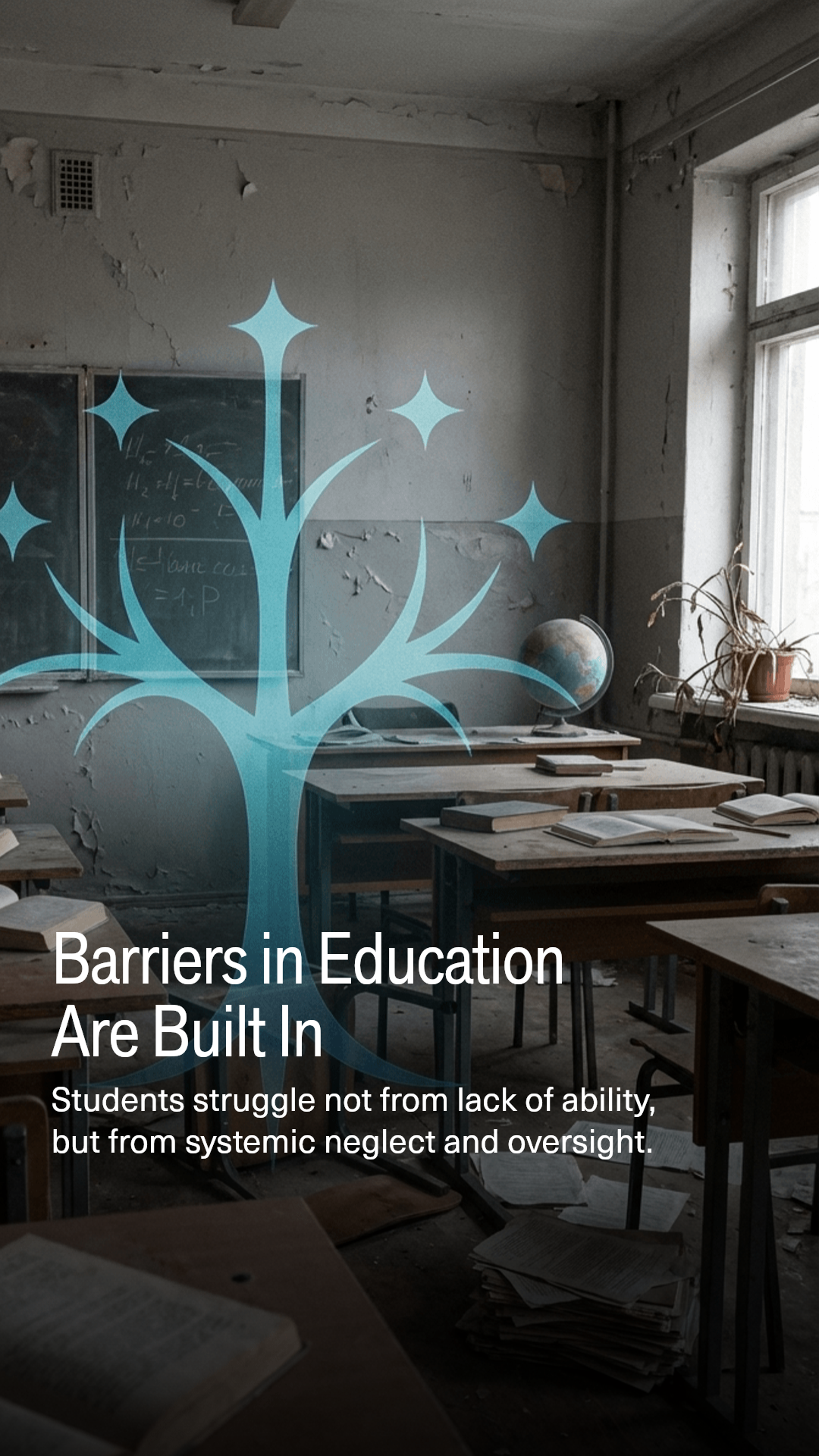
What Educational Harm Really Looks Like
Educational harm is rarely obvious at first. It often emerges through weak oversight, poor system design, fragmented support, and institutional patterns that leave students struggling without meaningful intervention. This piece examines what educational harm actually looks like in practice — and why identifying it early is essential for building healthier, more accountable learning systems.
-
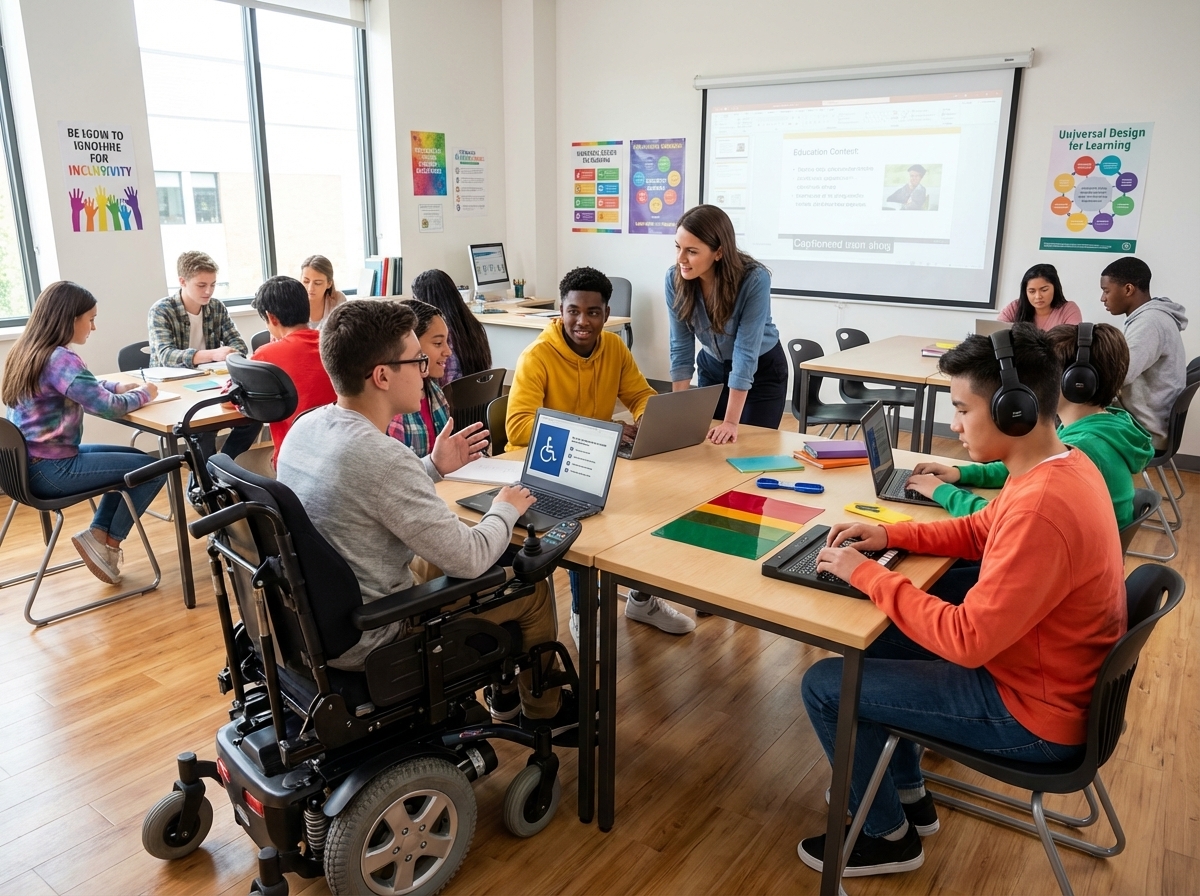
What Institutional Harm Looks Like in Practice
Institutional harm often emerges through hidden accountability gaps, misaligned incentives, weak oversight, and systemic bias. By identifying early warning signs and understanding how these patterns operate in practice, organizations can move from reactive crisis management to proactive systems repair.
-

AI Is Not Neutral, and It Is Not Fiction Anymore
Computing has always been part of my work, but the current AI inflection point made something impossible to ignore: the integration of artificial intelligence and human biology is no longer science fiction. On my websites, I explain how I use AI myself, what ethical use actually looks like, and why these frameworks must evolve alongside…
-
I Can’t Ignore What I’ve Already Seen
Being “the first” often means being too early—early enough to be ignored in real time, and still expected to prove your reality. I didn’t get the benefit of the doors opening for me. But I kept pushing anyway, because systems can change—and the next person shouldn’t have to fight as hard.
-
Turning mental noise into something real
Some people journal, exercise, or meditate. I build—websites, ideas, systems, and research frameworks. Creating helps me process the world, turn thoughts into something tangible, and find clarity without needing perfection.
-
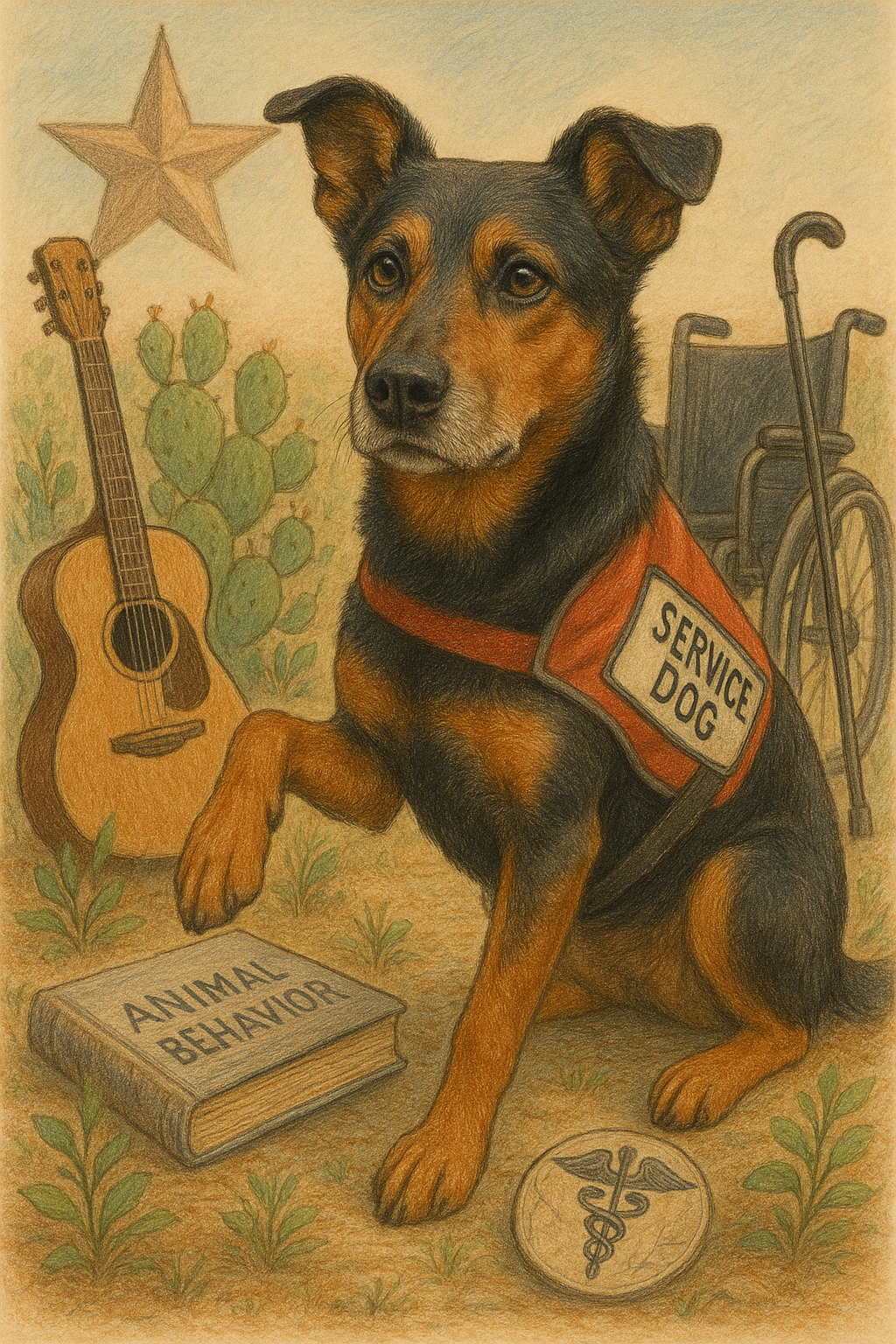
A mindset that keeps life expanding—even when things get hard.
Stress tries to shrink your world. Curiosity pushes it back open. It’s not about knowing everything—it’s about staying open to learning, connecting dots, and finding meaning even in difficult seasons.
-
The Mental Health Cost of Waiting for Disability Support
The Social Security disability process isn’t just paperwork — it impacts health, sleep, finances, and emotional stability. A reflection on staying composed while navigating a system that moves slowly when life doesn’t.
-

Building Quietly Before the World Wakes Up
A calm morning reset focused on steady progress, long-term vision, and the quiet discipline that builds real momentum.
-
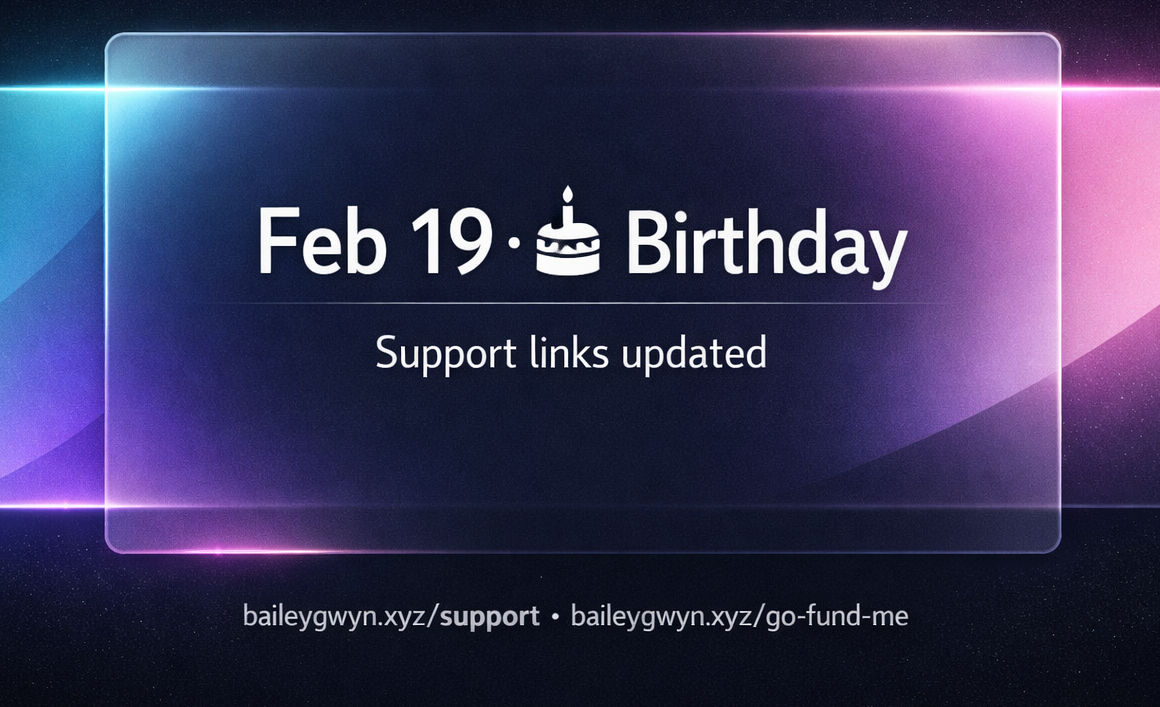
Birthday update: simple ways to support my work this year
Tomorrow (Feb 19) is my birthday. I updated my Support + GoFundMe pages with my Amazon list and Cash App for anyone who wants to help. No big ask—just what’s on the list and/or contributions that keep my projects and business moving forward. Even sharing the link helps.